Abstract
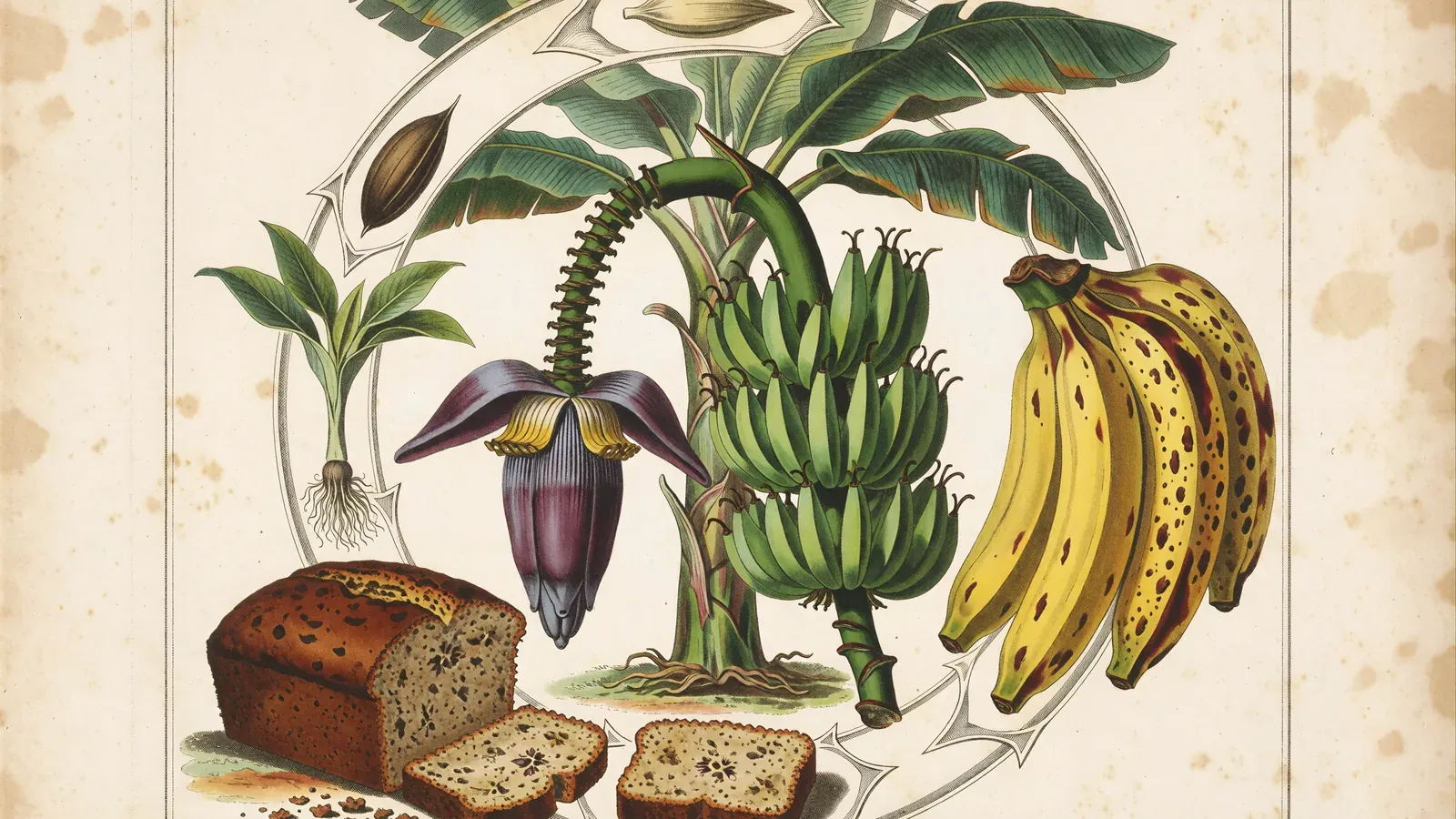
This bulletin describes the complete life cycle of the cultivated banana in nine stages. Stages I through IV are well documented in the agricultural literature. Stages V through IX are documented less often, because they take place indoors. The cultivated banana is shown to complete its cycle only with the assistance of an obligate host, the domestic human. Ripening is treated here as a mating display. The loaf is treated as the reproductive stage. The cycle is presented in the plate above as a closed ring, and the reasons for that choice are addressed under Limitations and Further Study.
Classification and Common Misconceptions
The banana plant is a large perennial herb. It has no wood. The structure commonly called the trunk is a pseudostem, made of tightly rolled leaf sheaths layered around a central core, and the leaves are extensions of those sheaths. The plant is a tree only in the sense that it stands where a tree might.
The fruit is a berry in the botanical sense. The strawberry is not. This office records the fact without comment and notes that the classification has not improved the standing of either fruit.
Specimens in commerce are overwhelmingly of one cultivar group, the Cavendish. A Cavendish is a sterile triploid, propagated by suckers and tissue culture, and every Cavendish is genetically near identical to every other. The reader should therefore regard the banana on the counter as one organism distributed across a very large number of kitchens.
Stage I: The Seed
Wild bananas, of the species Musa acuminata and Musa balbisiana, produce fruit filled with hard black seeds the size of peppercorns. The seeds are numerous enough that the fruit is difficult to eat and, in some accounts, hard on the teeth. Seeded fruit of this kind is the ancestral condition of the genus.
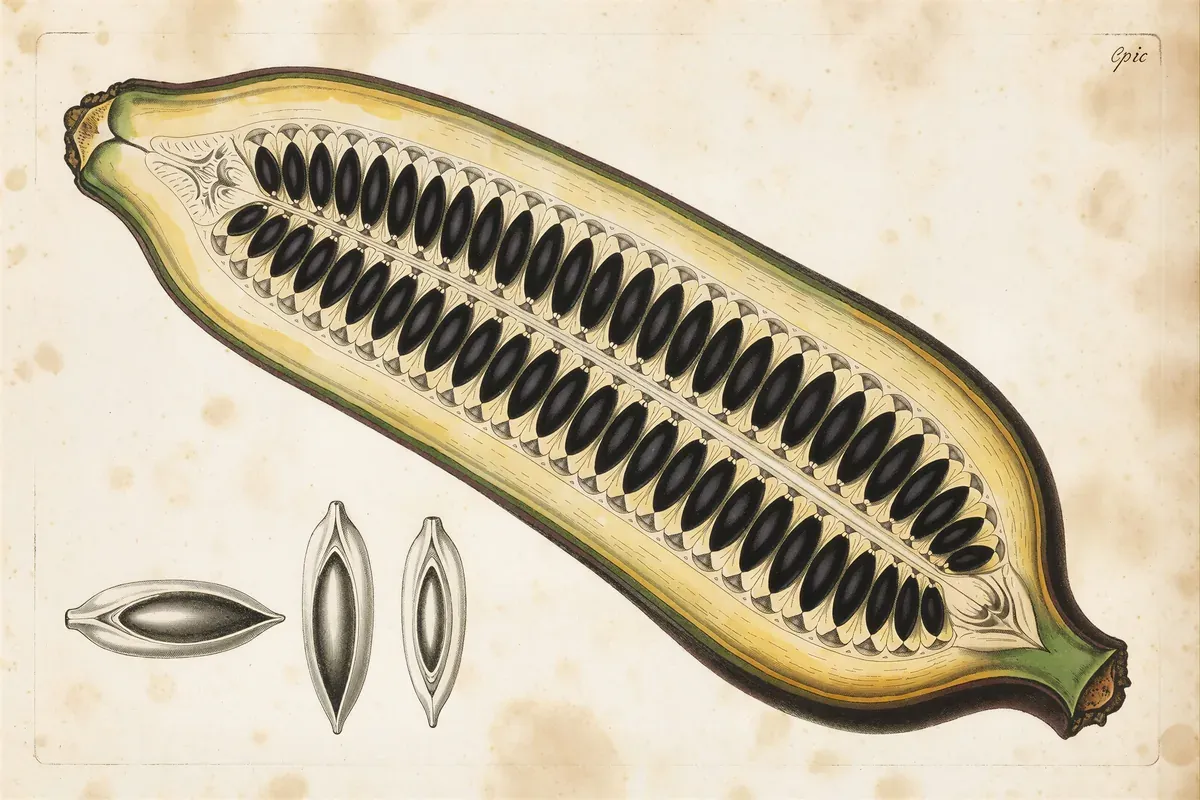
Seeds were collected, counted and placed in a glass dish. The count is withheld because it exceeded the capacity of the dish.
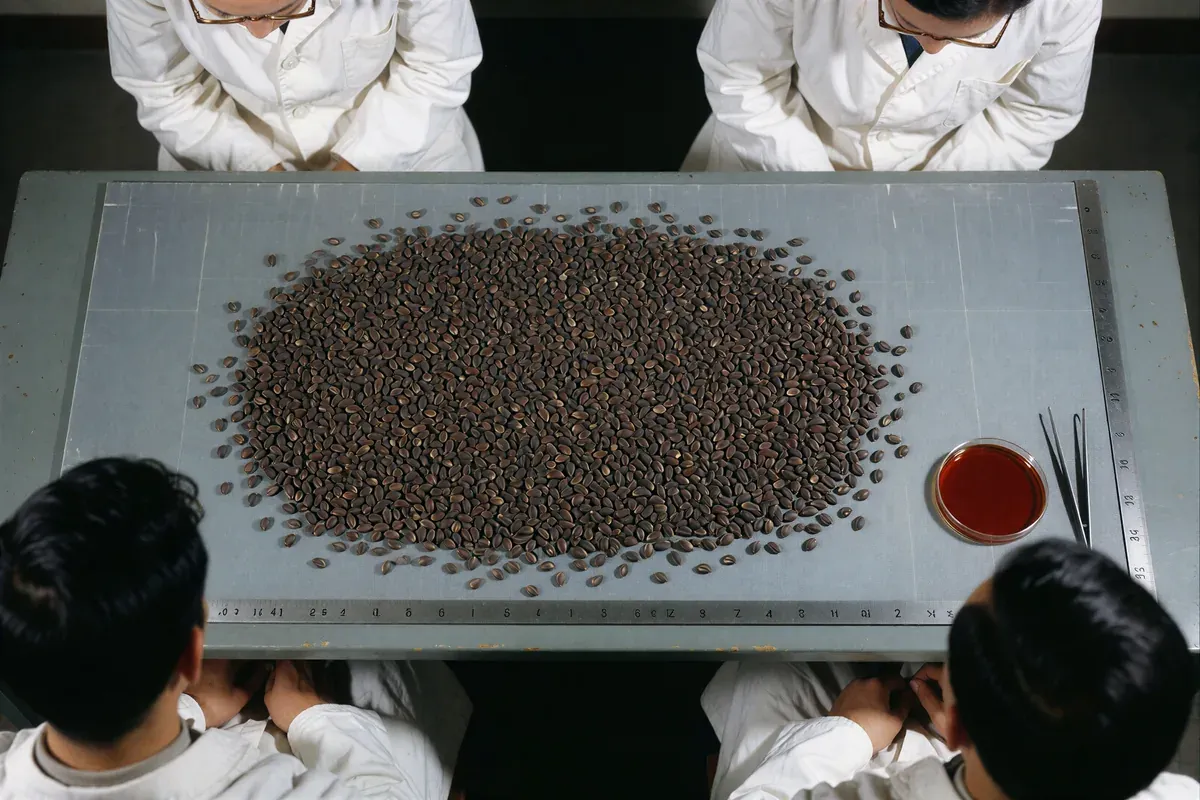
The seed is the first stage of the cycle in the wild. In cultivation it is the last stage, for reasons given below.
Stage II: Germination and the Tree That Is Not a Tree
A wild seed germinates and produces a shoot. In cultivated stock there is no seed, and a new plant arises instead from a sucker, also called a pup, taken from the base of a parent plant. Growers have long done this by hand. Laboratories now do it by tissue culture, which produces the same result in a flask.
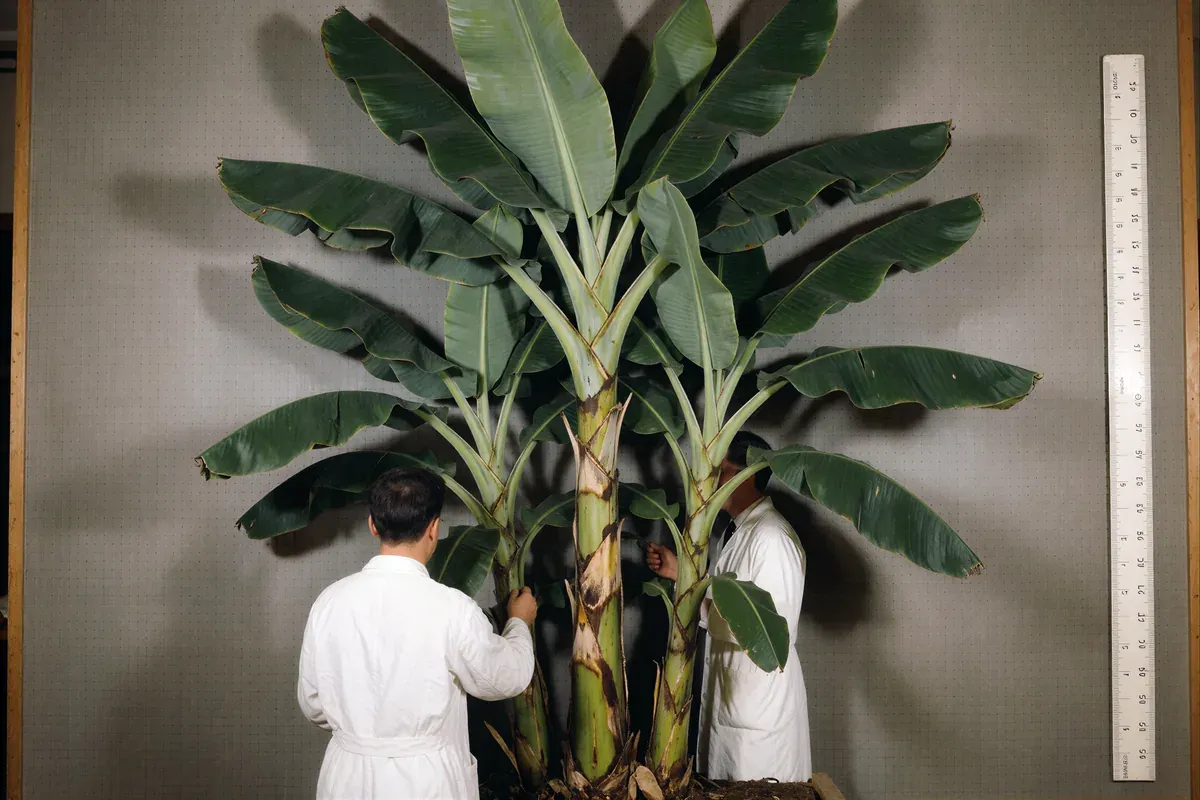
The pseudostem rises through the successive unrolling of leaves from its centre. A section through the stem shows concentric sheaths, in the manner of an onion. The plant reaches a height at which the word herb begins to sound like an understatement.
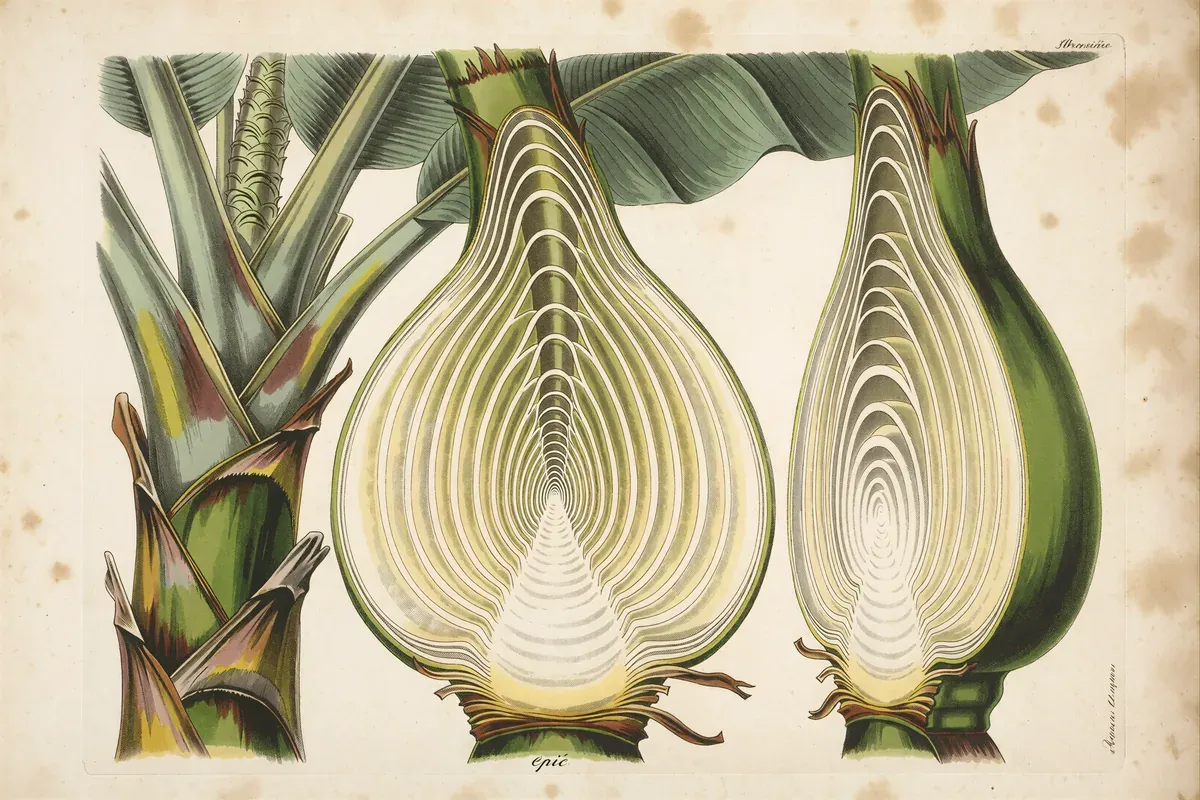
Field staff are advised to record heights from a safe distance.
Stage III: Flowering (Once)
Each pseudostem flowers once, fruits once and then dies. A pup at its base replaces it. The plant therefore never reaches old age in the usual sense, and the cycle continues in the sucker while the parent is cut down.
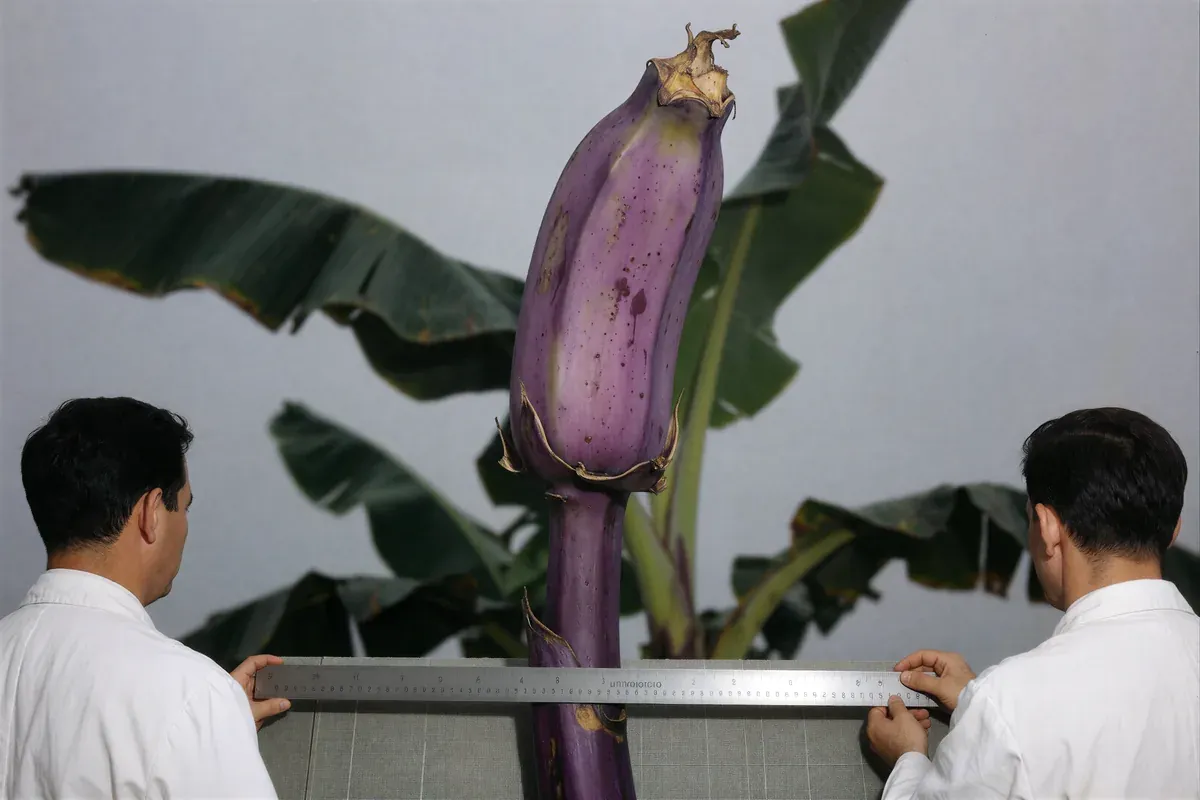
The flower emerges as a hanging, purple, tapering structure known as the bell or heart. Its bracts peel back in sequence, and under each bract is a row of tiny flowers. The female flowers develop into the fingers of the fruit. They are grouped in hands, and the hands together form the bunch.
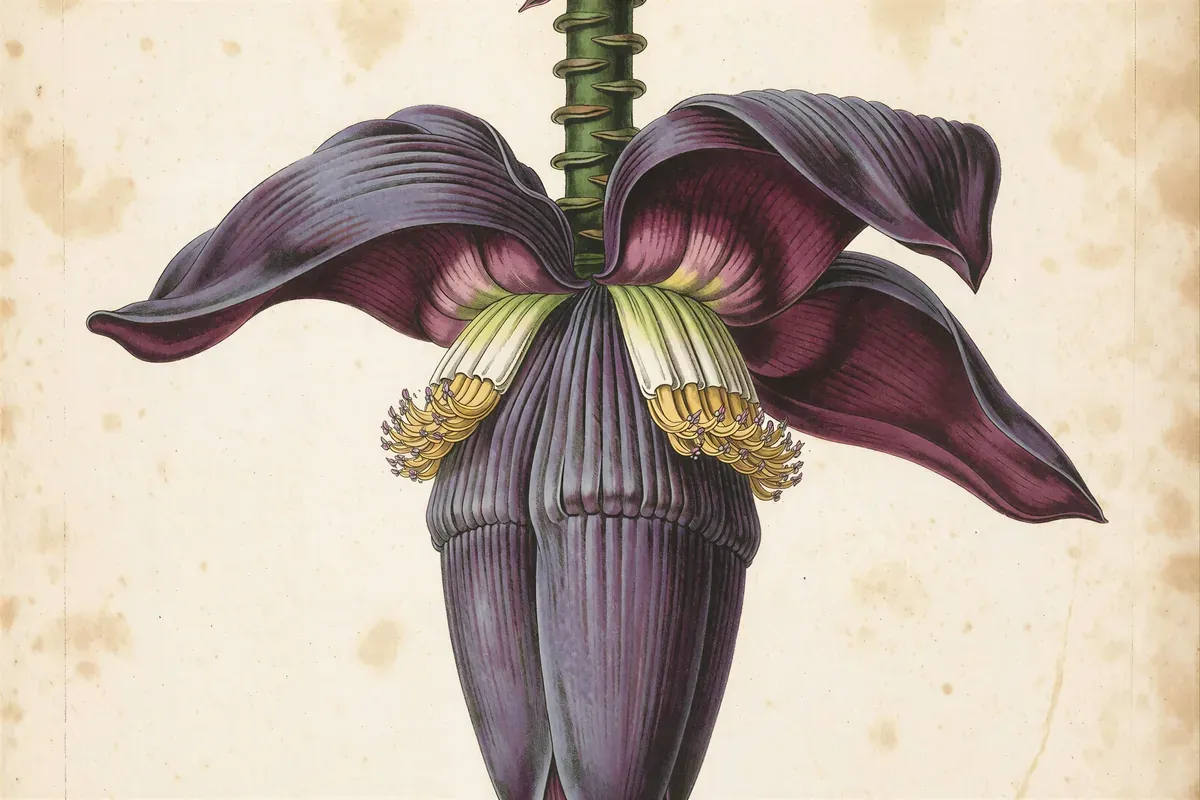
The heart is more striking in the field than the plate suggests. It hangs from the stalk at an angle that has been described by field staff as patient.
Stage IV: The Fruit
The fingers curve upward toward the light. The effect is a negative geotropism, which is to say that the fruit develops away from the ground. Specimens that hang downward are therefore bent, and the curve is a record of their growth.
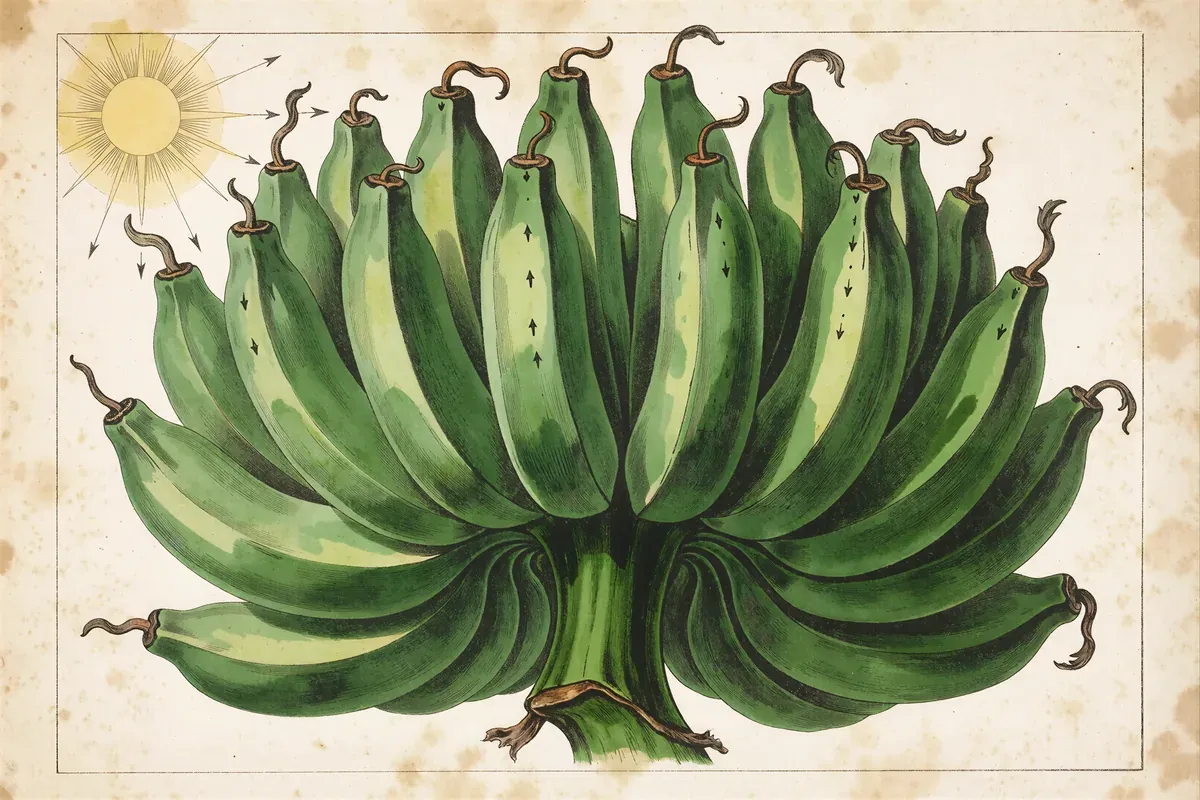
Green fruit is cut, weighed and shipped under controlled conditions. It leaves the plantation unripe and arrives at its destination unripe, which is a considerable achievement for a perishable crop and one of the few stages in which the banana is not required to wait for anyone.
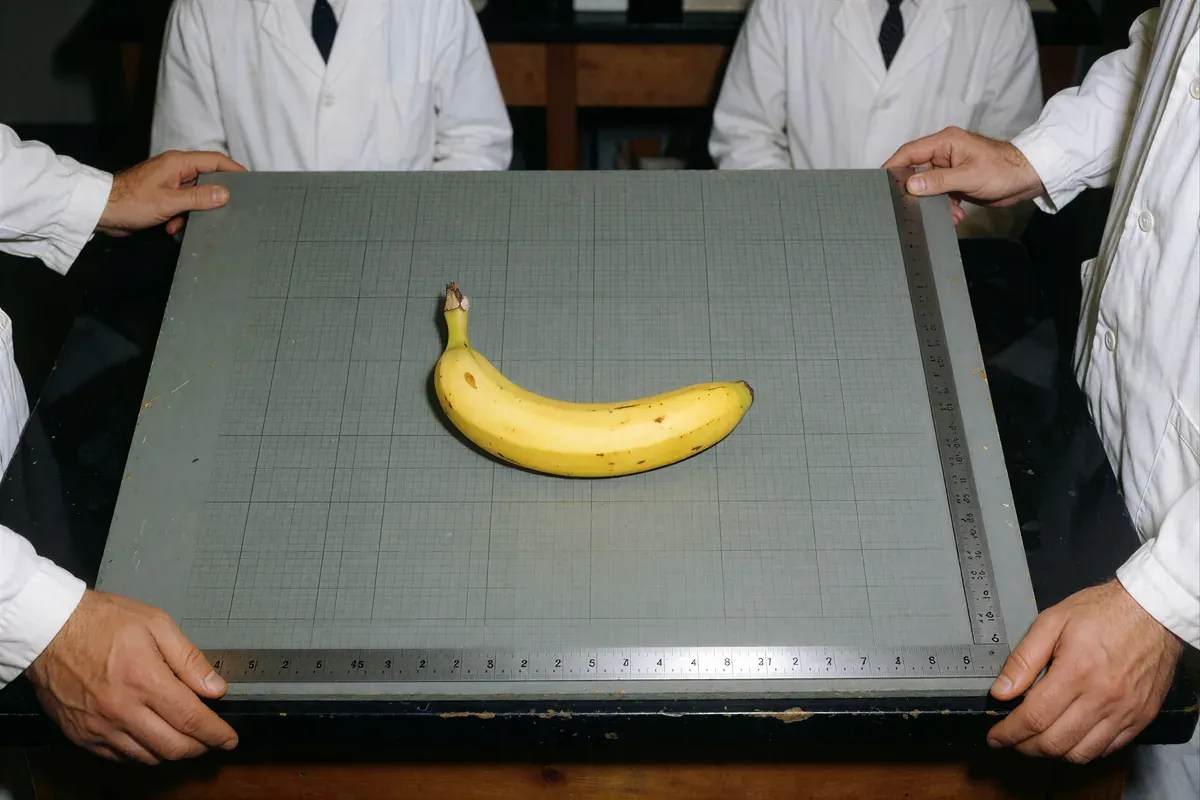
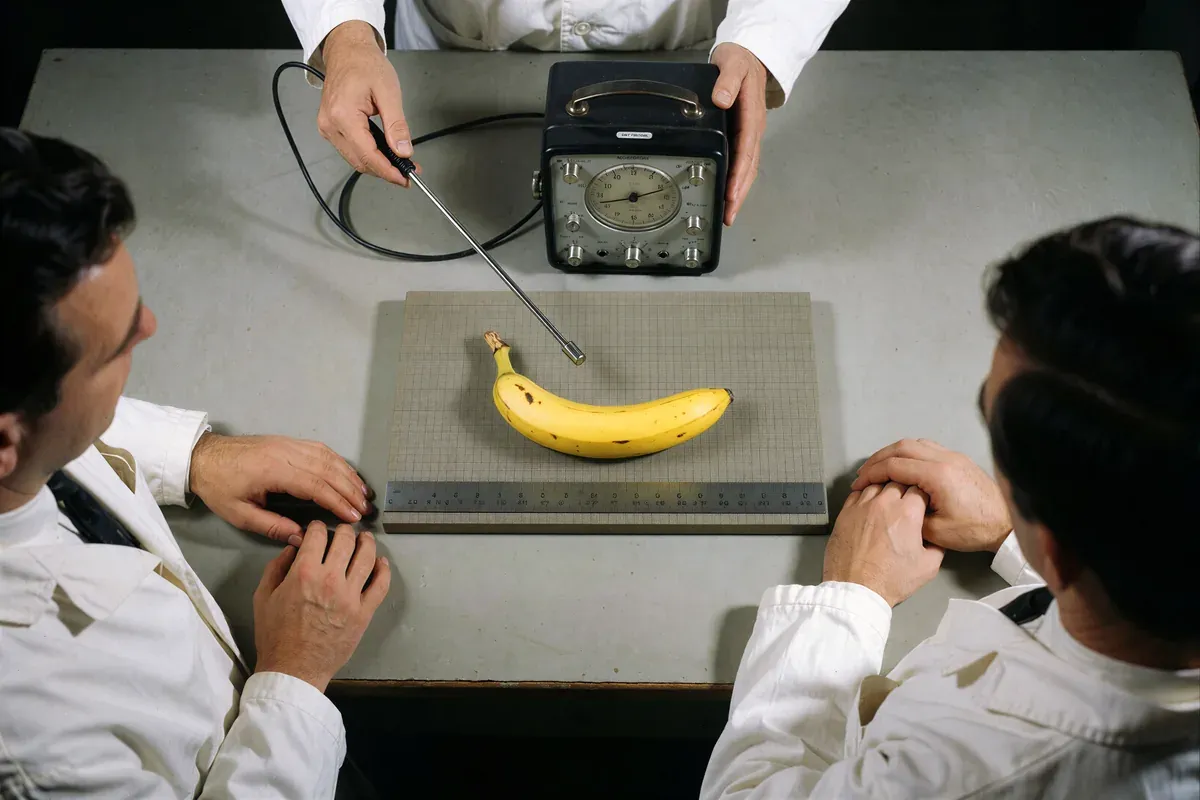
A routine measurement of the ripe fruit may be recorded here. The banana contains potassium, a fraction of which is the radioactive isotope potassium-40. The resulting dose from eating one banana is about 0.1 microsievert, a quantity so widely cited that it has its own informal unit, the banana equivalent dose. The banana is thus mildly radioactive. The dose is small and the body regulates its potassium, so the isotope does not accumulate.
Stage V: Ripening and the Speckle Signal
Ripening is driven by ethylene, a gas the fruit produces itself. The process can be accelerated by confining fruit in a paper bag, which retains the gas. Starch converts to sugar and the skin changes from green to yellow.
The fruit continues past yellow. Brown spots appear, known in the trade as sugar spots and referred to in this bulletin as the speckle signal. The spots increase in number and coalesce. A full progression is shown below.
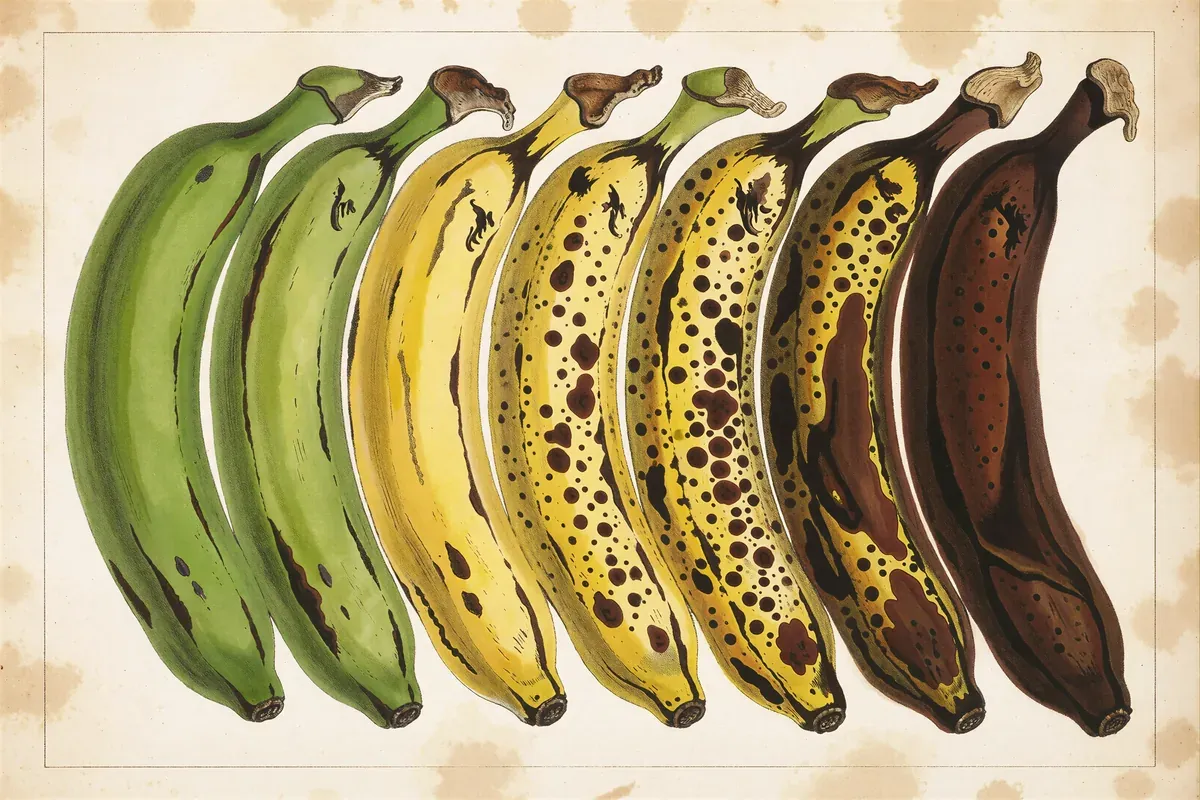
The speckle signal has no recorded function in the plant's own reproduction, since the cultivated plant does not reproduce by seed. Its observed effect is on the host. A host who encounters a speckled banana experiences a recognizable reluctance, being unwilling to eat the fruit and unwilling to dispose of it. The signal is most effective at night.
Stage VI: Acquisition of the Host
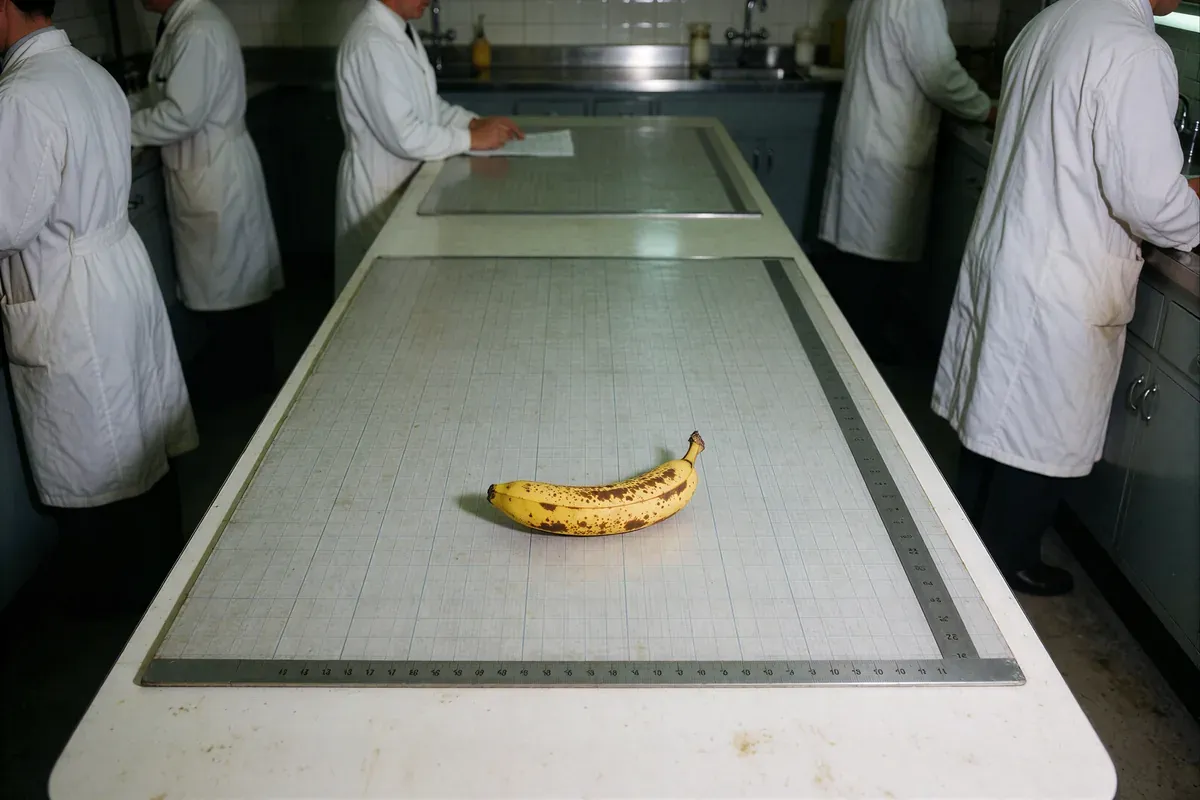
The cultivated banana cannot complete its cycle unaided. It requires an obligate host, the domestic human, who in most observed cases has already purchased the fruit. The acquisition is therefore passive. The banana is brought into the home, placed in a bowl and left.
After the speckle signal appears, the host hesitates. The hand is raised above the bowl and held there. This posture, the hesitation reflex, is a precondition for Stage VII and has been observed in all age groups and in both sexes.
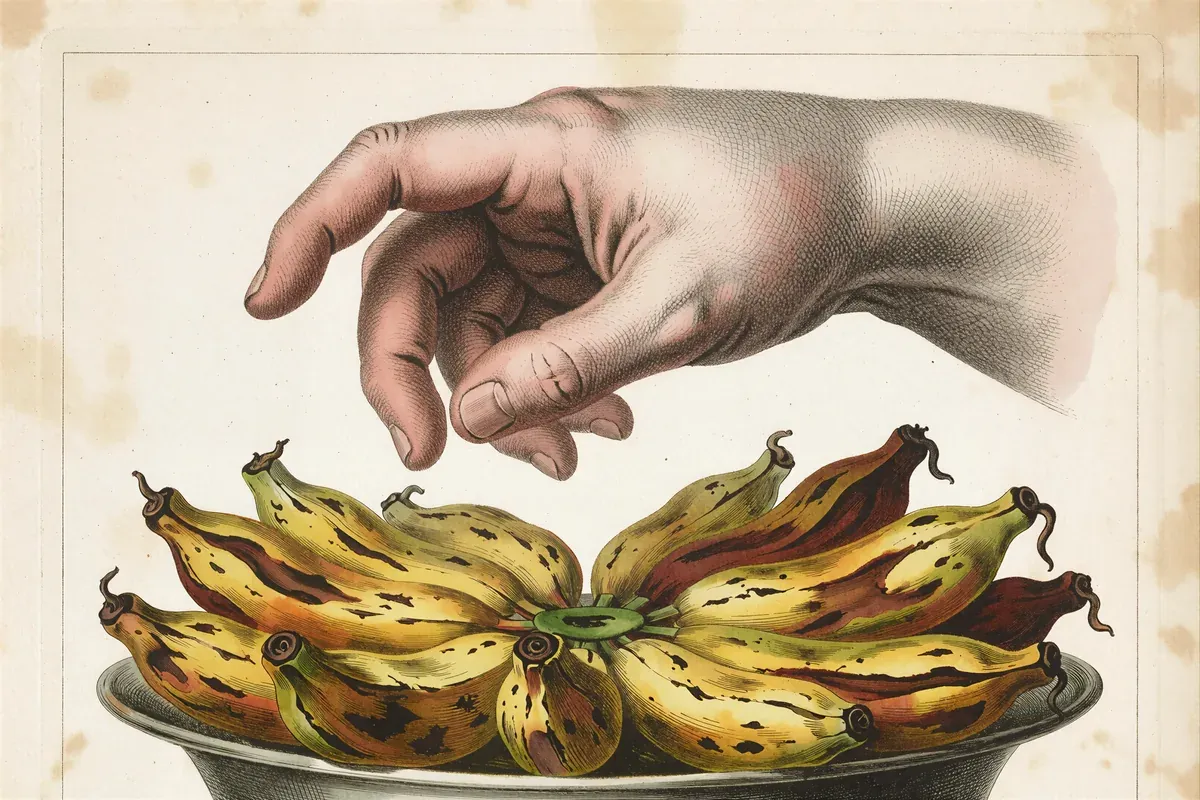
The host does not discard the specimen. Informal inquiry found that discarding was described as wasteful by the very hosts who did it. The banana is retained, and in time a second and a third join it. This office refers to the accumulation as a clutch.
Stage VII: Metamorphosis (the Loaf)
The clutch is mashed, combined with flour, sugar, eggs and a leavening agent, and placed in a loaf pan. The pan functions as a chrysalis. It is sealed in an oven for roughly an hour, during which no change of state is visible from outside, and it emerges as a different object.
Banana bread became widespread in the United States in the 1930s. Several accounts connect the rise to the commercial availability of baking powder and to the thrift of the Depression, when overripe fruit was not thrown away. An early printed recipe is commonly attributed to a 1933 flour company cookbook, though accounts differ and this office has not examined the original.
The internal structure of the finished loaf is consistent from specimen to specimen. Crumb forms the bulk. Walnut pieces and chocolate chips are distributed throughout as inclusions. These are the propagules of the loaf, and their presence or absence is a variety trait.
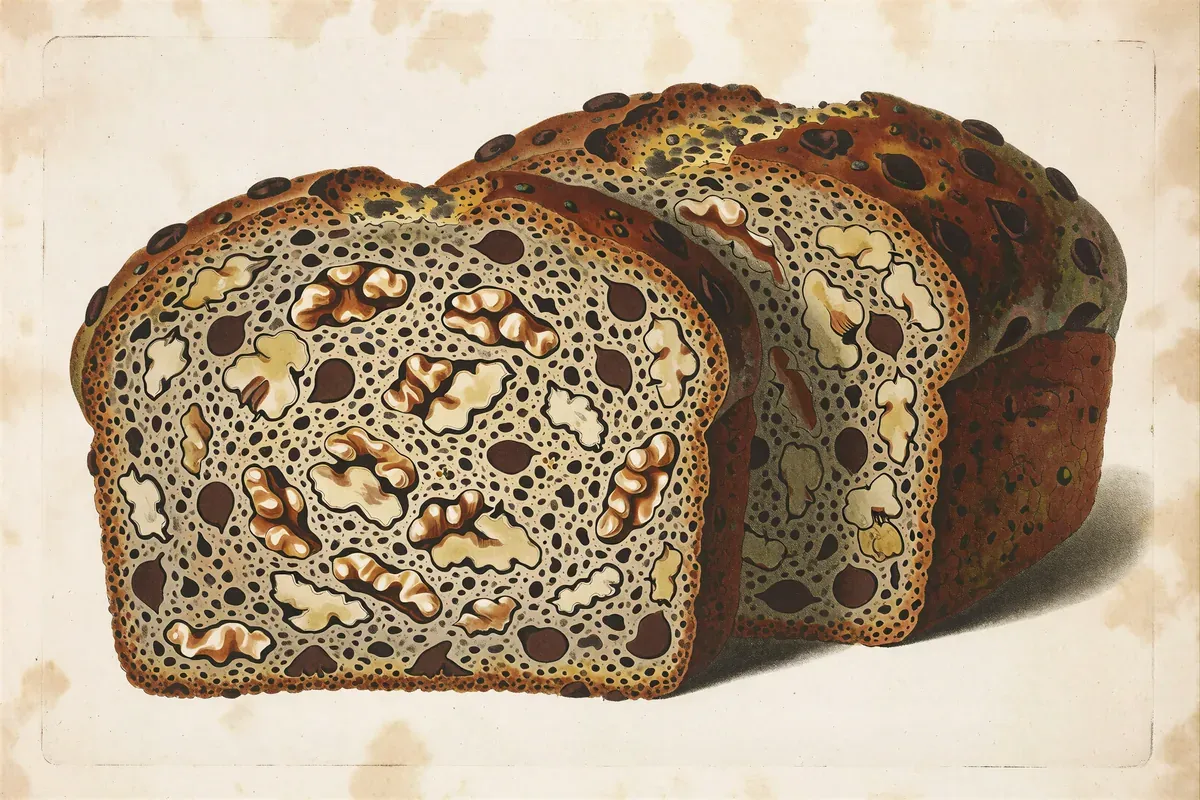
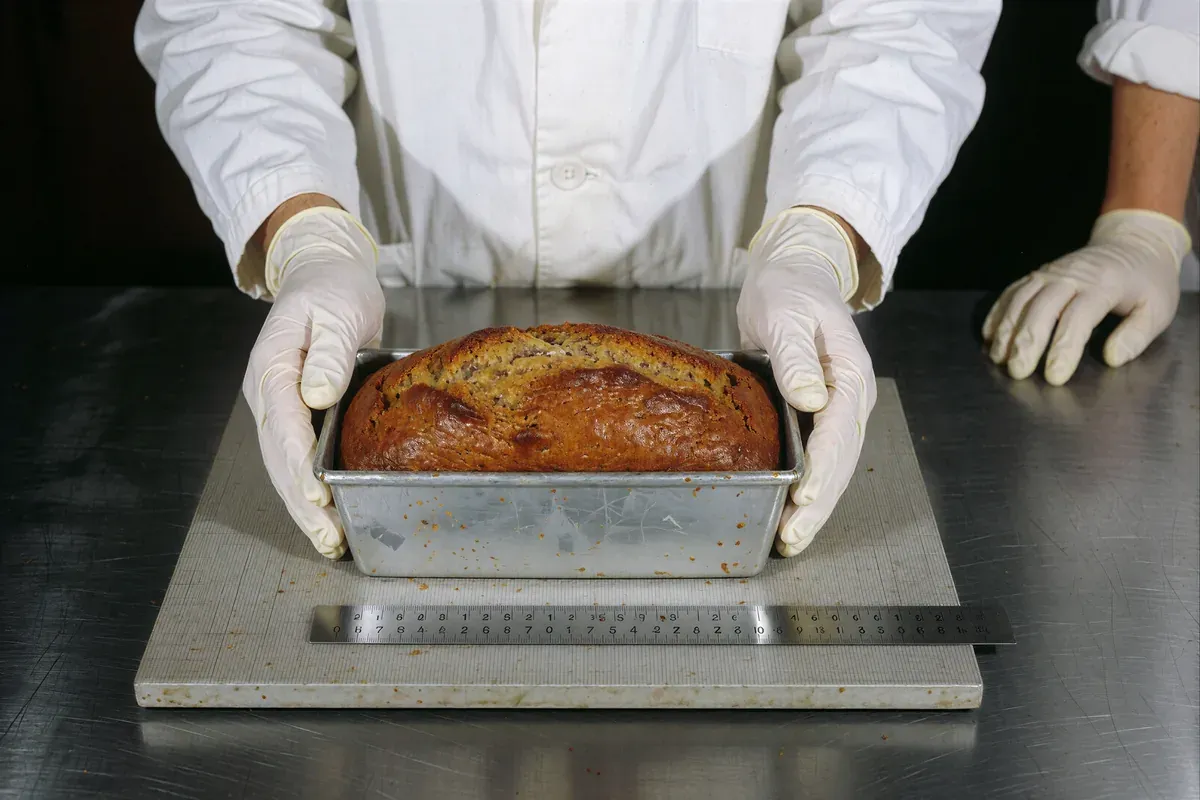
The chrysalis stage was documented under laboratory conditions with technicians in protective gloves. The loaf was removed from the pan at the conclusion of the observation period and allowed to rest.
Stage VIII: Dispersal
A single loaf is too large for most households to consume before it declines. The loaf must therefore be dispersed, and it disperses by gifting. This is the stage of the cycle in which the banana most closely resembles other organisms that rely on animal carriers, and the carrier here is the host.
The loaf is wrapped in foil and transported. The most common site of deposition is the doorstep of a neighbor. The loaf is left on the mat with no accompanying explanation, and the carrier withdraws before contact. Early morning is the preferred period.
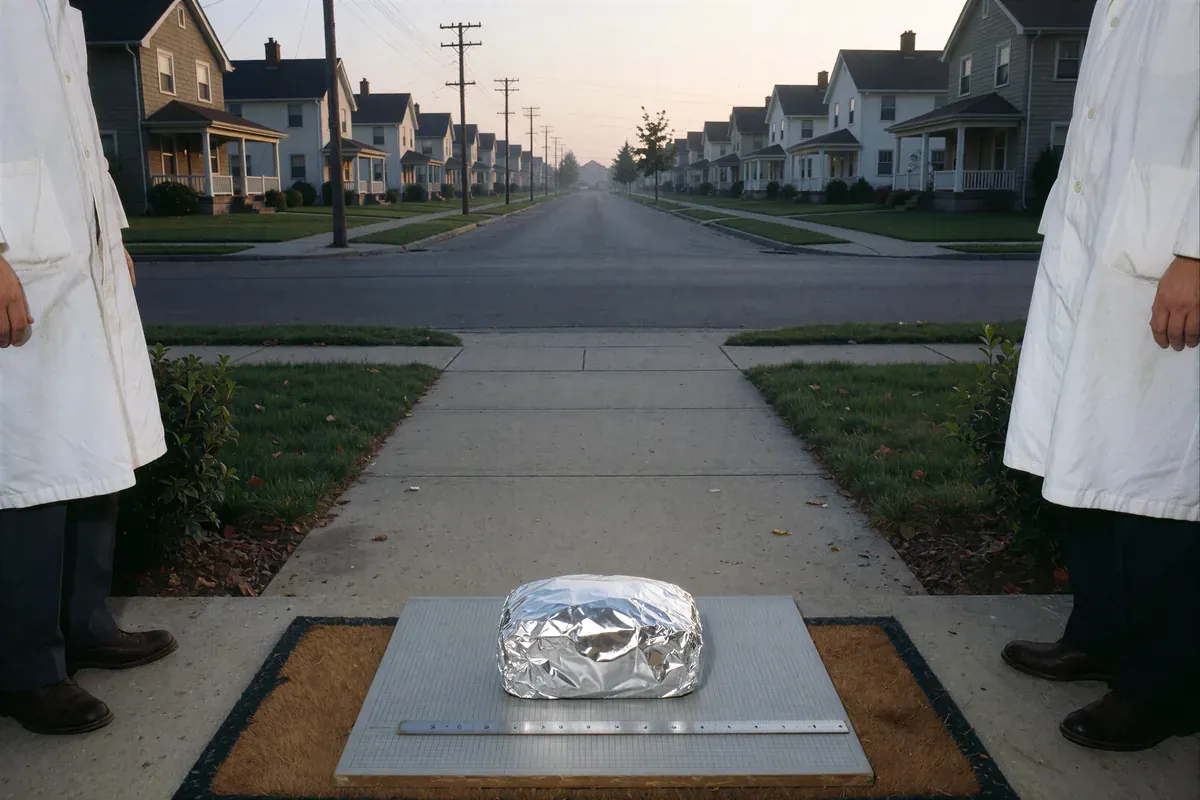
The second major site is the office break room. A loaf placed there is exposed to a large population of potential carriers and is usually reduced by half within a morning. It is left with a paper plate and a plastic knife. The office has not observed anyone deliver it, only the results.
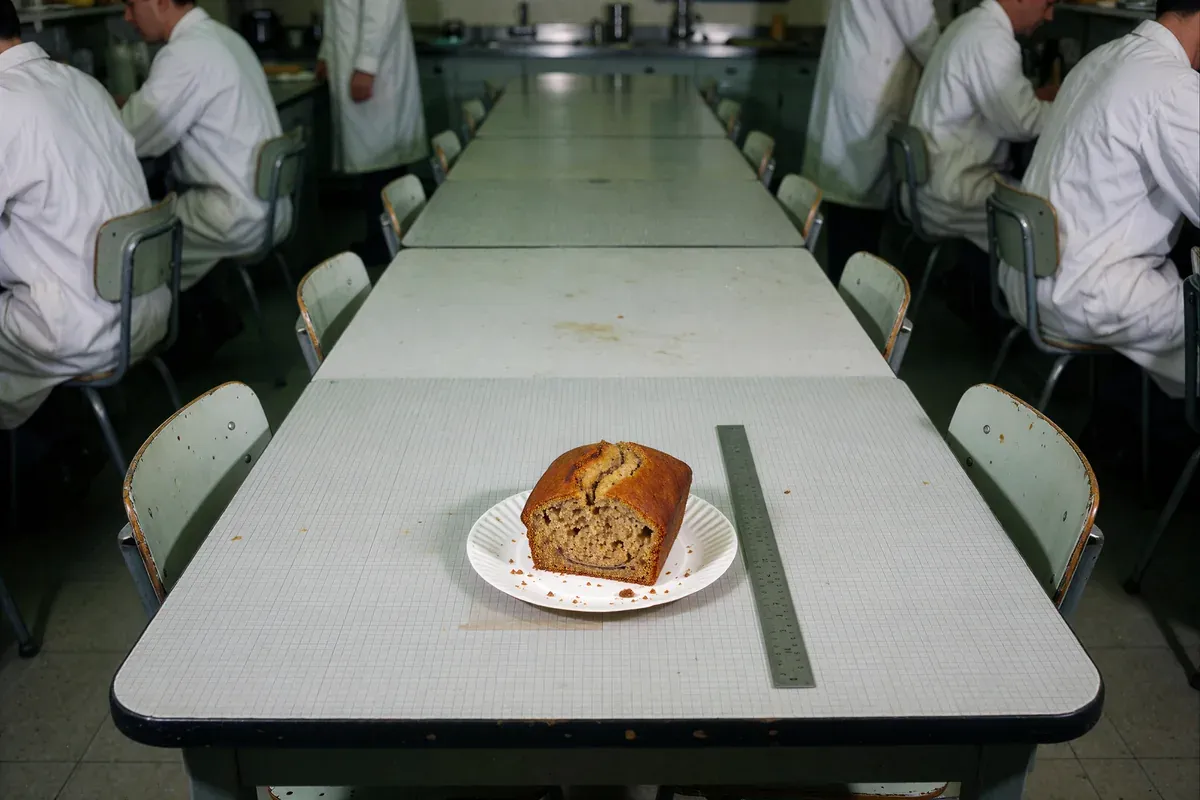
This mode is termed zoochory by coworker. It is efficient, but it saturates. In one documented case a neighbor who already had three loaves in the freezer accepted a fourth, citing no reason. The neighbor was, by then, a secondary host. The loaf had moved from one household to the next, and the next household had begun to bake.
Stage IX: Return to Seed
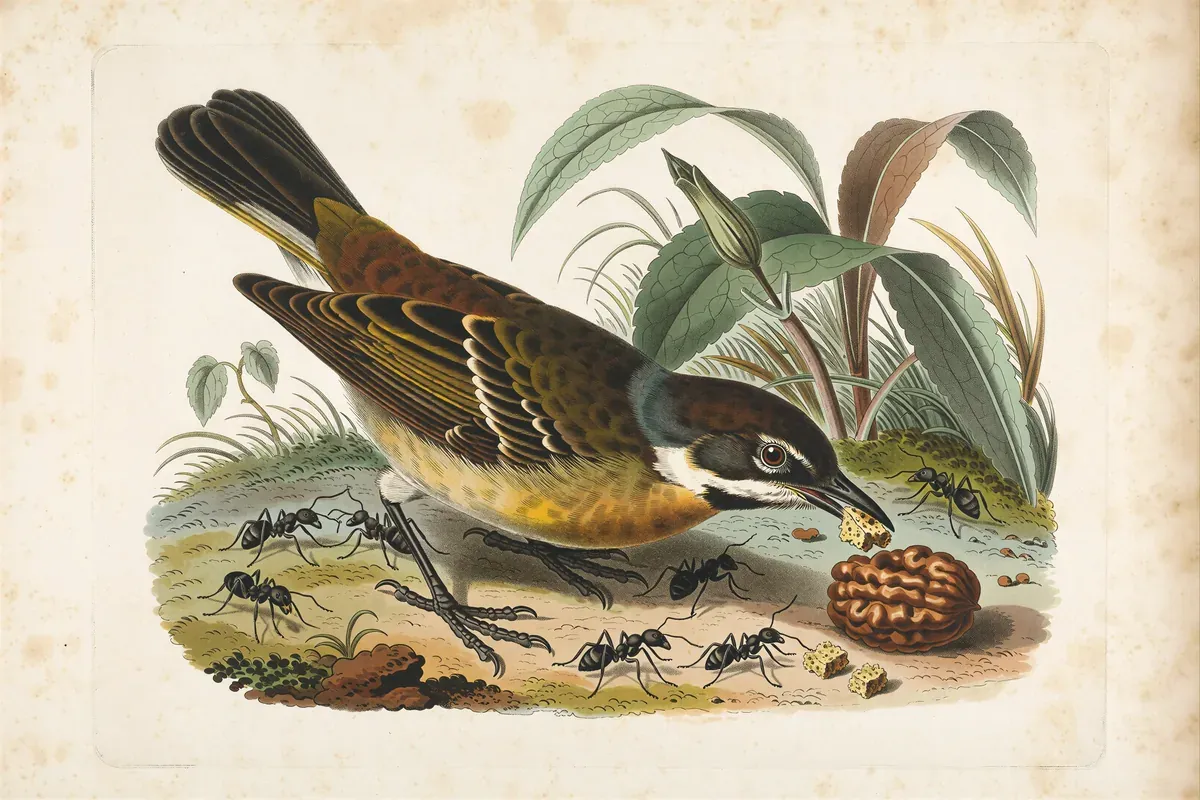
Uneaten fractions complete the cycle in the usual manner. Crumbs fall to the ground, and birds and ants carry them away. Fragments of walnut and the occasional chocolate chip are removed with them. The material enters the soil, where it is broken down and, in the formal language of the cycle, returns as seed.
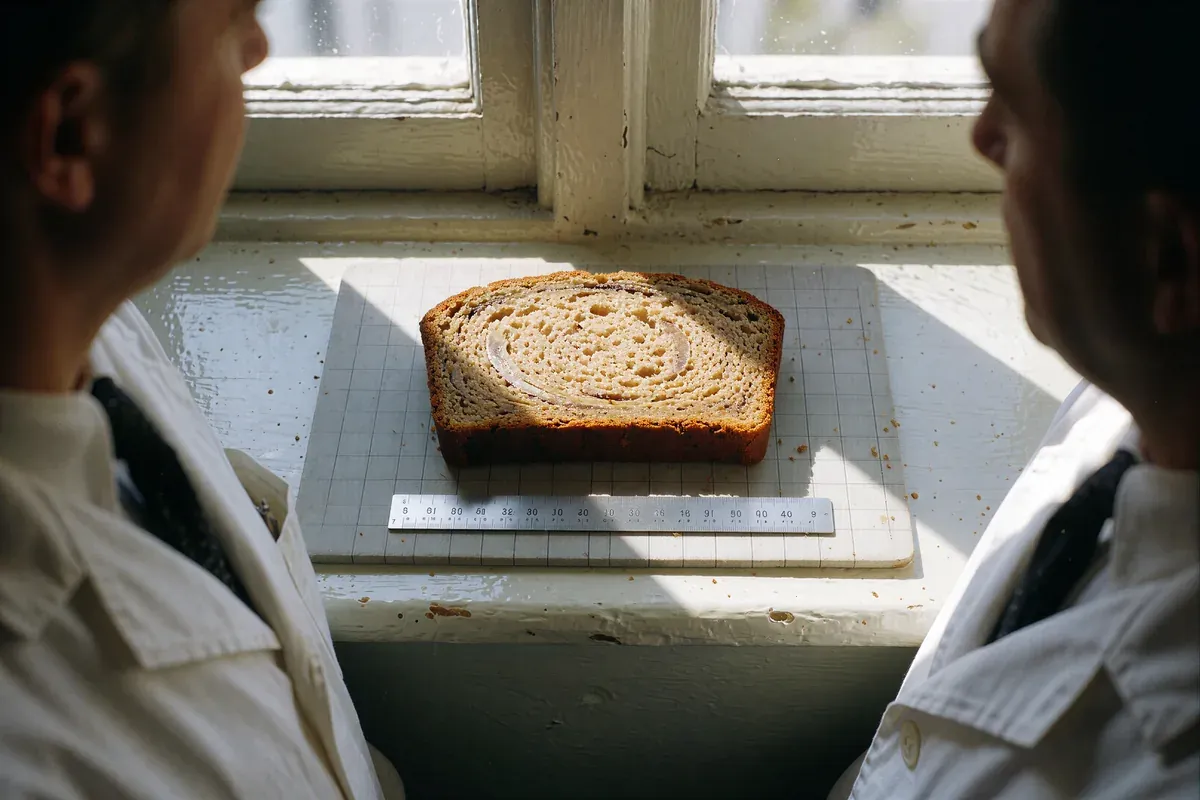
The last slice of a loaf is typically left on a windowsill and forgotten. It dries in the afternoon light and is found days later. At that point it is eaten by no one and is composted by someone.
Limitations and Further Study
The seed stage has never been observed to produce a banana plant in cultivated specimens. No crumb, walnut fragment or chocolate chip has been recorded to germinate. The cultivated banana is a sterile triploid, and the wild seeds in Stage I are not a part of the cultivated line. The office therefore treats the absence of a plant at Stage IX as a scheduling matter, to be resolved in a future season. The cycle is drawn as closed in the plate above, pending that observation.
Further study is also needed on the host. The relationship is obligate on the banana's side, and the extent to which it is obligate on the host's side has not been established. Hosts interviewed by this office expressed a wish to stop. None did.
A further limitation is the threat to the cultivar itself. The previous commercial variety, the Gros Michel, was largely lost to Panama disease, a fungal wilt, by the 1960s. The Cavendish replaced it. A newer strain of the same disease, Tropical Race 4, now threatens the Cavendish, which has little genetic diversity with which to respond. Should the cultivar decline, the cycle described here would require a different banana, and presumably a different loaf.
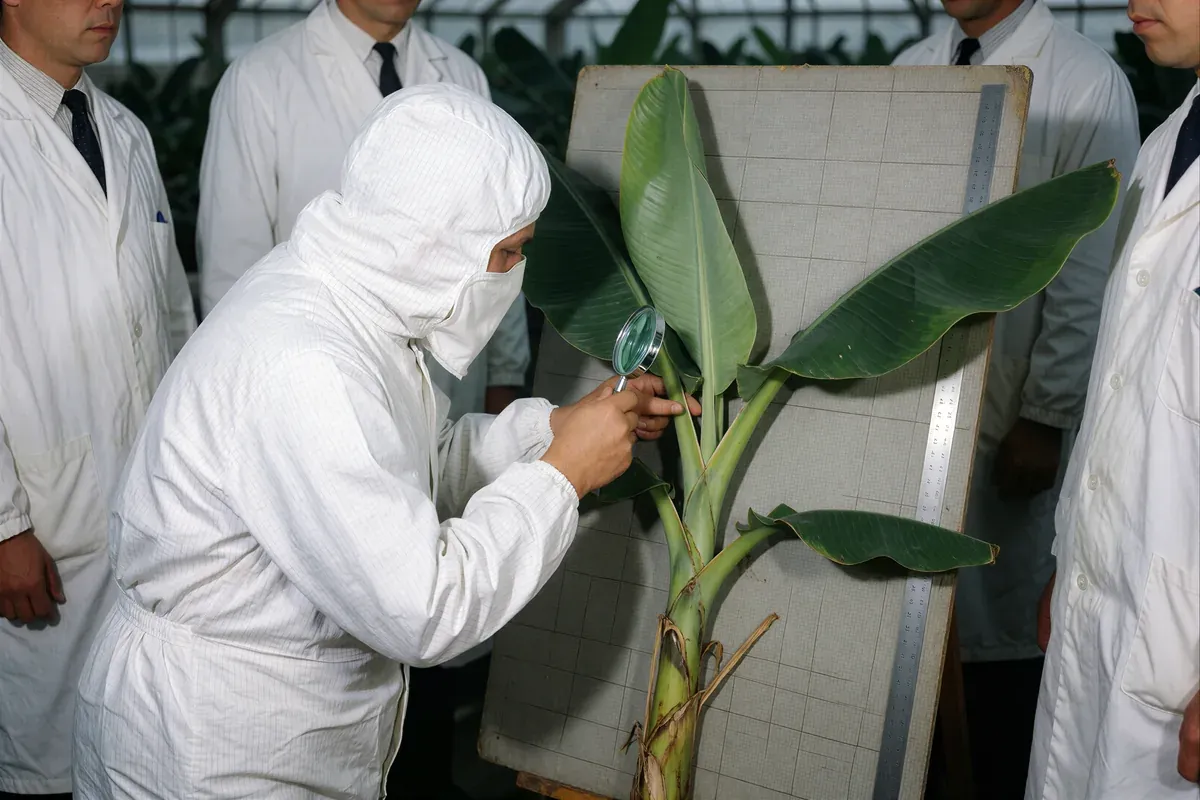
Field staff in protective suits continue to inspect specimens under quarantine.
Sources
- Vézina, Van den Bergh and Rouard, "Morphology of banana plant," ProMusa, on the banana as a large herb, the pseudostem of rolled leaf sheaths, and flower and fruit structure. https://www.promusa.org/Morphology+of+banana+plant
- Ordonez et al., "Worse Comes to Worst: Bananas and Panama Disease, When Plant and Pathogen Clones Meet," PLOS Pathogens (2015), on the triploid Cavendish clone, Gros Michel, Panama disease and Tropical Race 4. https://pmc.ncbi.nlm.nih.gov/articles/PMC4652896
- "Musa acuminata," Wikipedia, on wild seeded bananas. https://en.wikipedia.org/wiki/Musa_acuminata
- "Banana equivalent dose," Wikipedia, on potassium-40 and the figure of about 0.1 microsievert. https://en.wikipedia.org/wiki/Banana_equivalent_dose
- "Banana bread," Wikipedia, on the history of the recipe in the United States. https://en.wikipedia.org/wiki/Banana_bread
Comments
// Comments are reviewed before appearing. No spam. No noise.